

Planet-friendly design tips for earth month and beyond
To celebrate Earth Month, we’re passing on some tips for you to make more sustainable choices when it comes to design and print. Read on to discover some surprising methods to reduce your negative impact on the planet.
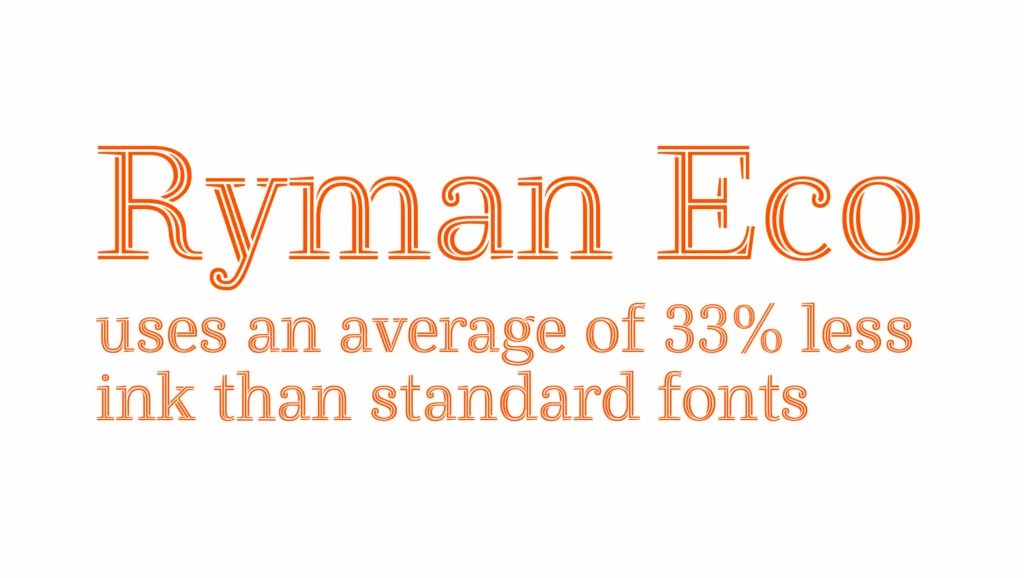
#1 – Use eco-friendly fonts
Yes, fonts can be eco-friendly! Look out for light weights, sans serif fonts, or even better, use typefaces that are specially designed to be more sustainable. But what actually makes these fonts better for the planet? Typefaces like Ryman Eco (which is a 100% free font for personal or commercial use) use less ink when printed due to the gaps in the lines. You can go a step further by reducing font sizing; smaller fonts mean more words can fit on a page, reducing the amount of paper you need to use.
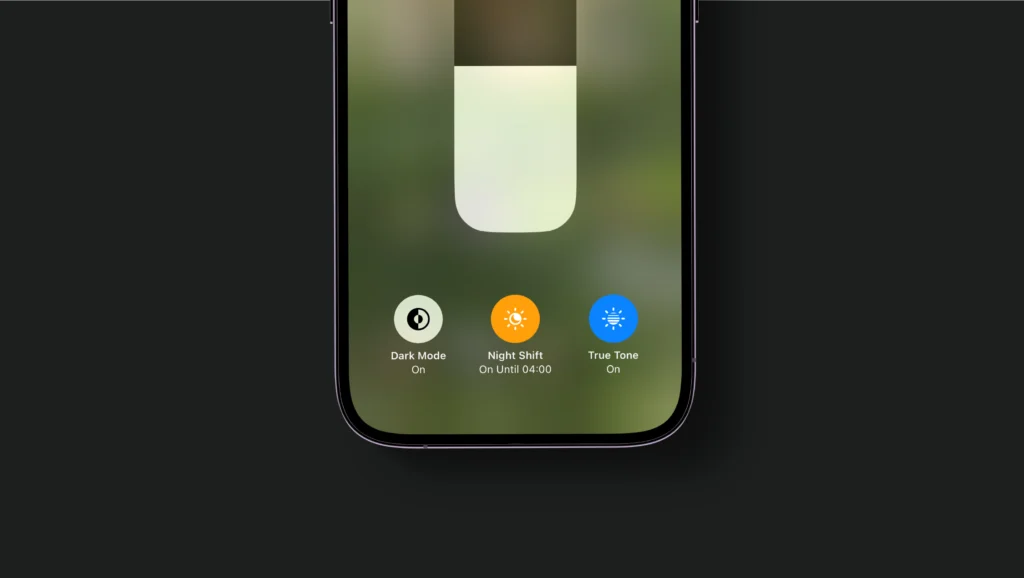
#2 – Optimise for dark mode
Ensuring websites and apps are compatible with dark mode settings improves the user experience and reduces eye strain. Not only that, but it also reduces battery consumption on OLED screens. This lower energy usage equals a smaller digital carbon footprint, so it’s a win regardless.

#3 – Thoughtful paper choices
Opting for 250gsm paper instead of 300gsm can make a surprising impact on your carbon footprint without having too much of a noticeable effect on the finished product. This reduces shipping weight (and cost) and saves energy during manufacturing. Consider swapping to more sustainable papers made from recycled paper, or even coffee grounds. For specialist printed items that need a heavier weight paper, use the opportunity to explore unique papers that tell your brand story, like seeded paper for a gardening company.

#4 – Utilise white space
Negative space is a useful design device that often creates a sleek and minimal look and feel to digital and print design. Aside from looking good, it’s also a great way to reduce ink consumption on printed items. Plus, less ink per page results in less chemicals being used during the recycling process.

#5 – Digital cleanup
Optimising web assets and ensuring website and app code is clean reduces server energy usage. Upload images in web-friendly formats like webp to keep file sizes low while retaining quality, and remove any unnecessary code to keep your website fast and as sustainable as possible.
Check out our other posts
 The best rebrands of 2024, ranked
For long-standing brands, there comes a time when their identity just doesn’t quite fit anymore. We’ve picked out our favourite rebrands from 2024, and ranked them from least to most favourite.
 6 design inspo sites every designer should bookmark
Sometimes your brain needs a little push to deliver the unreal creative outcomes you’re used to producing, and finding that inspiration can feel impossible. With so many websites, books, magazines, and social media apps out there, where do you go to find guaranteed hits?
 Our 2025 big beach clean
The Jump Group’s annual beach cleans are a cherished tradition here at Monddi! They’re a wonderful opportunity for the whole Group to come together in person and share our commitment to giving back to the planet.
 Our first beach clean of 2026
At Monddi, we put our ethos at the forefront of everything that we do. From working with local suppliers where possible and ensuring environmentally friendly processes across digital, design, and print; we put our money where our mouth is. One of our objectives as a company is for each of our employees to dedicate a […]
 B Corp Month 2026
B Corp Month is officially here! This March, we’re taking time to reflect on what being Certified B Corp under the Jump Group means to us. As a Pembrokeshire-based business for over 100 years, our local environment has always been incredibly important to us. Surrounded by woodland and water, our team feels strongly about preserving […]
 Our top 10 Pantone colours of the year, ranked
Every December, The Pantone Colour Institute divides the internet with the announcement of its Colour of the Year. Since the year 2000, the company has come together to analyse all sorts of global trends and influences; from film and tv to fashion and everything in between. It often represents the general mood and hopes of […]
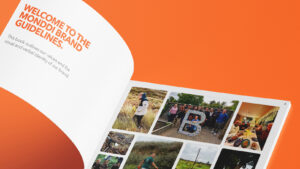 The importance of brand guidelines (and what to include)
When creating a brand identity, we often are asked to supply brand guidelines too. These documents provide guidance on how a brand should appear – essentially a ‘dos and don’ts’ of brand usage.
 8 summer colour palettes for your brand
The summer weather has us looking forward to bringing the sunshine into more of our projects, so we’ve put eight colour palettes together to get that inspiration flowing. These all have a certain vibe that makes them ideal for particular uses, from dreamy pastels that would look stunning across wedding stationery, to punchy brights that […]
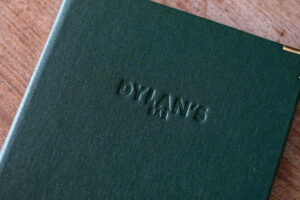 Different types of menus, explained
Selecting the right kind of menu design and print solution is key in curating a dining experience that aligns with your business. Below we’ve outlined some of the main kinds of menus, so you can figure out which option is best for you. Menu covers Menu covers come in a variety of shapes, sizes and […]
 Minimalism: sometimes less is more
In the world of graphic design, trends come and go. But one approach has stood the test of time: minimalism. This process is rooted in simplicity and clarity is a staple of modern design and serves as a reminder that sometimes, less is more.
 Belmont Estate: an exciting new partnership
At Monddi we believe that real change begins with real connections. We’re proud to begin a new partnership as a part of the Jump Group, with the remarkable Belmont Estate, a place where regeneration is not just an idea, but a daily practice.
 Giving back through local environmental partnerships
This year, Earth Month is focused on community efforts; coming together to give back to a cause. That’s exactly how we operate already at Monddi, working as a team to do good. We’ve recently embraced partnerships with two local charities working to improve our environment through education, awareness, and physical action. One of our partners […]
 We gave our website a new look, and you should too
Over the last few months, we’ve been chipping away at an updated website design. Keeping elements from our previous site, we’ve refined our brand consistency, updated imagery, and brought in more interactive elements to create an engaging and contemporary experience.
Colour theory: evoking emotion through design
Colour is one of the most important tools a graphic designer has. It has the ability to evoke emotions, influence decisions and communicate meaning without using a word. Colour theory is an essential aspect that can help your audience connect on a deeper level.
 The magic of foiling for seasonal print
Foiling adds a luxurious and festive feeling to seasonal print materials – think Christmas cards, gift vouchers, or limited edition packaging. Special finishes like foil can make your marketing, product or gift that bit more memorable. Let’s start from the beginning; what is foiling? Foiling is a finishing technique for printed materials where metallic or […]
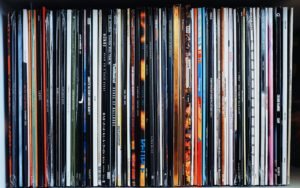 Ollie’s top 10 album covers of all time, ranked
As designers, we can't help but look at everything we see with a critical eye, including album covers. With countless options out there, these are my ten favourites and the reasons I chose them.
 Our favourite marketing moments of 2025
2025 saw a number of bold campaigns, from out-of-home ads plastered across London billboards to TV ads, and we couldn’t get enough of some of them! Here are just a few of our favourite advertising moments throughout the year, although there are so many more we’d love to include.
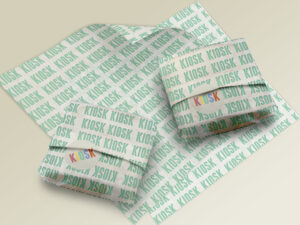 How branded accessories can make you stand out
In a world full of social media and short attention spans, capturing an audience is harder than ever. Having unique, bespoke accessories for your brand opens up a world of opportunities, becoming more shareable and increasing growth through word-of-mouth interactions.
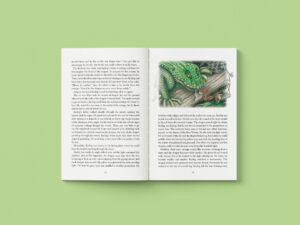 The Monddi book design process
One of our favourite kinds of projects to take on is book design and print; these are incredibly personal projects that we love to see to the end. We have a lot of experience ranging from children’s illustrated stories and picture books to local history books, autobiographies, poetry books, and novels. If you’re working on […]
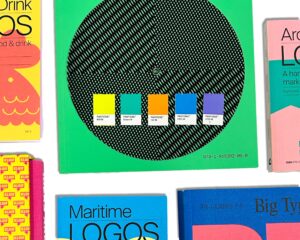 How to make a killer mood board
What can sometimes feel like a boring step in your creative process is actually key in keeping you on track. Mood boards help to set the tone of a project from the get go – whether it’s a brand identity, clothing collection, wedding plan, or kitchen design. We start every branding project with a mood […]
 Our beach clean for Volunteers’ Week 2026
Volunteers’ Week takes place from June 1st to 7th, celebrating the work that people do in their communities. Today we got together with multiple other businesses, joining the Pembrokeshire Coast National Park Trust’s Big Beach Clean. Meeting at the gorgeous Freshwater West, we set off with the aim of leaving the beach in a better […]